
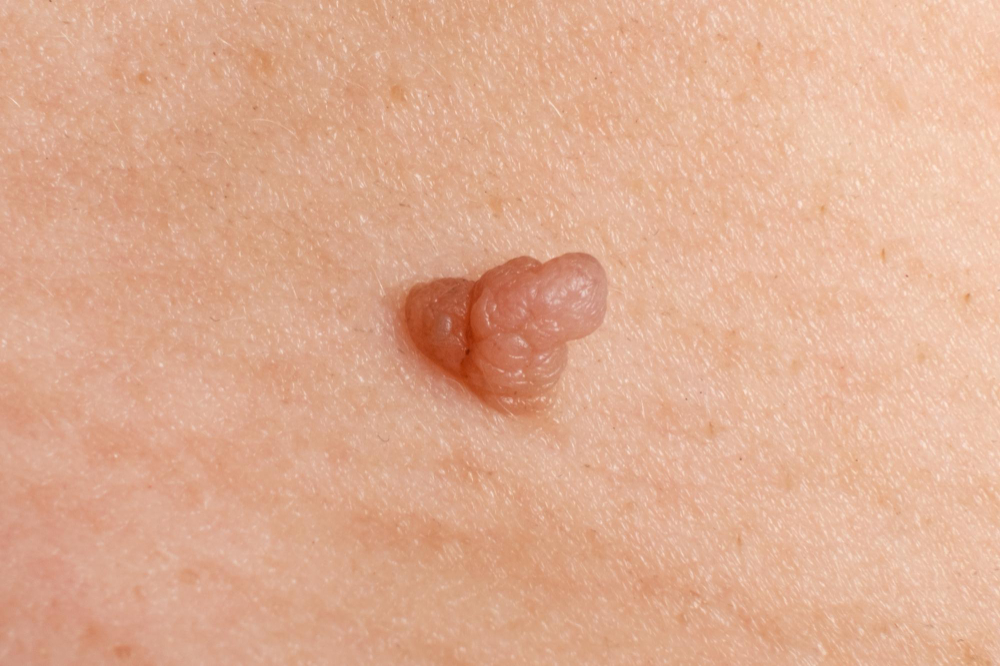
Wart Treatment in Clovis & Fresno, CA
Warts are among the most common skin conditions we treat at Dehesa Dermatology — and while they are benign, they can be persistent, painful, and frustrating to manage on your own. Over-the-counter treatments often fail to fully clear warts, particularly plantar warts on the feet and periungual warts around the nails. At Dehesa Dermatology, board-certified dermatologist Dr. Luis A. Dehesa offers professional, in-office wart treatments that are significantly more effective than anything available without a prescription, providing faster and more lasting clearance for patients throughout Clovis, Fresno, and the Central Valley.
What Are Warts?
Warts are benign skin growths caused by infection with the human papillomavirus (HPV). HPV enters the skin through small breaks or cuts and stimulates the rapid overgrowth of skin cells, forming a wart. There are more than 100 strains of HPV, and different strains cause different types of warts in different locations on the body. Warts are contagious — they spread through direct skin-to-skin contact or indirect contact with contaminated surfaces such as pool decks, locker room floors, and shared towels or shoes.
Warts are most common in children and young adults, but can affect people of all ages. Individuals with weakened immune systems — including those on immunosuppressive medications for conditions like psoriasis or rheumatoid arthritis — are at significantly higher risk for extensive, difficult-to-treat warts. Our team’s experience with complex dermatologic conditions, including through our complex medical dermatology program, makes Dehesa Dermatology well-equipped to manage warts in immunocompromised patients.
Types of Warts We Treat
- Common Warts (Verruca Vulgaris): Rough, raised growths most often found on the hands, fingers, and around the nails. Characterized by a cauliflower-like surface with tiny black dots (clotted blood vessels) visible on the surface.
- Plantar Warts (Verruca Plantaris): Warts on the soles of the feet that grow inward due to pressure from walking, causing significant pain. Often have a callous-like covering with black dots underneath. Can be mistaken for corns or calluses.
- Flat Warts (Verruca Plana): Small, flat-topped warts that can appear in clusters — often on the face, neck, or legs. Spread easily through shaving.
- Filiform Warts: Long, thread-like projections that grow quickly and most commonly appear on the face around the mouth, nose, and eyes.
- Periungual Warts: Warts growing under or around the fingernails or toenails — particularly difficult to treat and potentially damaging to the nail structure if untreated.
- Mosaic Warts: Clusters of plantar warts grouped together in a tile-like pattern on the sole of the foot — often the most resistant to treatment.
Wart Treatment Options at Dehesa Dermatology
At Dehesa Dermatology, we offer professional-grade wart treatments that are substantially more effective than over-the-counter options:
- Cryotherapy (Liquid Nitrogen): The most commonly used in-office wart treatment. Liquid nitrogen is applied to freeze and destroy the wart tissue. Multiple sessions spaced 2 to 4 weeks apart are typically required. More effective than over-the-counter salicylic acid for most wart types.
- Cantharidin (Blister Beetle Extract): A painless in-office application that causes a blister to form under the wart, lifting it away from the skin. Particularly useful for children and for warts in sensitive locations.
- Intralesional Immunotherapy: Injection of antigens (such as Candida antigen) directly into the wart to stimulate the immune system to recognize and attack HPV-infected cells throughout the body — particularly effective for multiple or recalcitrant warts.
- Topical Prescription Treatments: Higher-concentration salicylic acid preparations, tretinoin, 5-fluorouracil, and imiquimod cream for home use between office visits.
- Surgical Curettage and Electrodesiccation: Scraping and cauterizing wart tissue — used for larger, isolated warts where more aggressive removal is appropriate.
- Laser Treatment: Pulsed dye laser targeting the blood supply of the wart for resistant lesions. See our laser treatment page.
Frequently Asked Questions About Warts
Will my wart go away on its own?
Warts can resolve spontaneously — particularly in children with healthy immune systems, where natural resolution may occur within 2 years. However, many warts persist for years without treatment, spread to other areas, and can become larger and more difficult to treat over time. Plantar warts that cause pain, facial warts, warts in immunocompromised patients, and warts that have failed over-the-counter treatment should all be evaluated and treated professionally at Dehesa Dermatology.
How many treatments will I need to clear a wart?
Warts rarely clear after a single treatment — multiple sessions are typically required, usually spaced 2 to 4 weeks apart. The number of sessions depends on the type, size, location, and duration of the wart, as well as the patient’s immune response. On average, plantar and periungual warts require more treatments than common hand warts. Our team will give you a realistic expectation at your initial evaluation.
Are warts contagious to other people?
Yes — warts are contagious and spread through direct skin-to-skin contact or through contact with contaminated surfaces. To reduce transmission, avoid touching warts on your own body and then touching other skin areas, do not share towels or footwear, wear sandals in public showers and pool areas, and cover warts when participating in contact sports. Promptly treating warts reduces both the duration of infection and the risk of spreading to others.
Can warts come back after treatment?
Wart treatment eliminates visible wart tissue, but HPV can remain dormant in the skin — meaning warts can recur at or near the same location after treatment, particularly in immunocompromised patients. Recurrence is less common when the wart is fully cleared with adequate treatment. Our team monitors patients through follow-up visits to catch any recurrence early and retreat promptly.
Is cryotherapy painful?
Cryotherapy causes a brief burning or stinging sensation during and immediately after application of liquid nitrogen. A blister typically forms at the treated site within 24 hours, and the area may be tender for several days. For children or patients concerned about discomfort, cantharidin is a painless alternative that we offer at Dehesa Dermatology.
Do you treat plantar warts from Fresno?
Yes. We treat all types of warts for patients from Fresno, Clovis, and throughout the Central Valley — including plantar warts on the feet that haven’t responded to over-the-counter treatment. Our office is located at 978 N Temperance Ave in Clovis, just minutes from Fresno via Highway 168. Call (559) 951-9000 to schedule your wart evaluation.
When should I see a dermatologist instead of treating a wart myself?
See a dermatologist if your wart is on your face, genitals, or around the nails; if it is painful or interfering with daily activity; if it has not responded to 2 to 3 months of over-the-counter treatment; if you have multiple warts that are spreading; or if you are immunocompromised. At Dehesa Dermatology, we provide professional treatments with significantly higher clearance rates than anything available without a prescription.