
Rosacea Treatment in Clovis & Fresno, CA
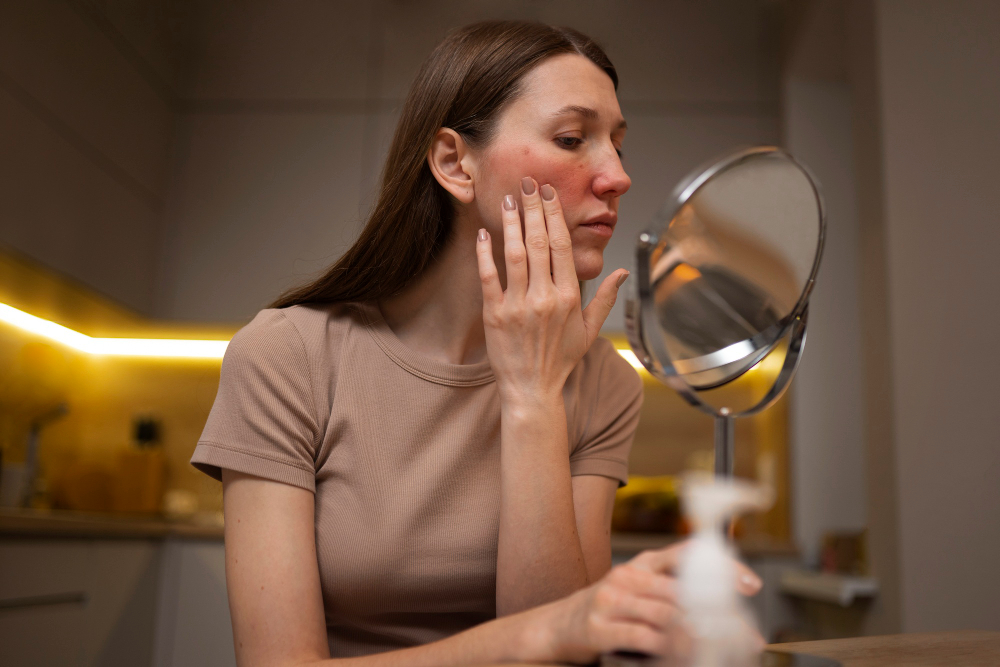
Rosacea is a chronic inflammatory skin condition that causes persistent facial redness, visible blood vessels, flushing, and in some cases, pimple-like breakouts or thickening of the skin. While rosacea is not curable, it is very manageable with the right treatment plan — and left untreated, it tends to worsen progressively over time. At Dehesa Dermatology, board-certified dermatologist Dr. Luis A. Dehesa provides expert rosacea evaluation and personalized treatment for patients throughout Clovis, Fresno, and the Central Valley.
What Is Rosacea?
Rosacea is a common chronic skin disorder that primarily affects the face — particularly the central face, including the cheeks, nose, forehead, and chin. It affects an estimated 16 million Americans and most commonly develops in adults between the ages of 30 and 60, with fair-skinned individuals disproportionately affected. Although the exact cause of rosacea is not fully understood, it involves a combination of immune system dysregulation, abnormalities in the nervous system’s control of facial blood vessels, and the presence of the Demodex mite on skin — factors that, when triggered, produce the characteristic inflammation and redness of the condition.
Rosacea is often confused with acne, sunburn, or sensitive skin — and many patients go years without a proper diagnosis. Because rosacea can be caused or worsened by many common treatments used for other skin conditions, accurate diagnosis by a board-certified dermatologist is essential before starting any treatment regimen.
Types and Subtypes of Rosacea
Rosacea is classified into four primary subtypes, and patients may experience more than one simultaneously:
- Erythematotelangiectatic Rosacea (ETR): Characterized by persistent central facial redness, flushing, and visible dilated blood vessels (telangiectasias). The skin is often sensitive and reactive to topical products, temperature changes, and sun exposure.
- Papulopustular Rosacea: Features acne-like red bumps and pus-filled pimples on the face, in addition to persistent redness. Easily confused with acne vulgaris, but requires different treatment. See our acne page for comparison.
- Phymatous Rosacea: Causes thickening and irregular surface changes of the skin, most commonly on the nose (rhinophyma). More common in men. Laser and surgical treatment may be required for significant phyma.
- Ocular Rosacea: Involves the eyes and eyelids, causing redness, irritation, burning, and in some cases, blurred vision. Requires collaboration with an ophthalmologist for complete management.
Common Rosacea Triggers
Rosacea flares are typically provoked by specific triggers that vary from person to person. Identifying and avoiding your personal triggers is one of the most impactful steps you can take in managing rosacea. Common triggers include:
- Sun exposure — particularly significant in the high-UV Central Valley environment
- Hot beverages, spicy foods, and alcohol (especially red wine)
- Temperature extremes — hot weather, cold wind, saunas, or hot baths
- Vigorous exercise
- Emotional stress
- Certain skincare products containing alcohol, fragrance, or irritating ingredients
- Some medications including topical steroids (which can worsen rosacea with prolonged use)
Rosacea Treatment Options at Dehesa Dermatology
Rosacea treatment is individualized based on subtype, severity, and patient goals. At Dehesa Dermatology, we offer:
- Topical Medications: Metronidazole, azelaic acid, ivermectin (Soolantra), and brimonidine (Mirvaso) for reducing redness, papules, and pustules.
- Oral Antibiotics: Low-dose doxycycline (Oracea) is FDA-approved for papulopustular rosacea and works through anti-inflammatory rather than antibiotic mechanisms.
- Laser and Light Therapy: Vascular laser and intense pulsed light (IPL) treatments are highly effective for reducing persistent redness and visible blood vessels in erythematotelangiectatic rosacea. See our laser treatment page and skin rejuvenation page for more on these services.
- Skincare Guidance: Recommendations for gentle, rosacea-safe cleansers, moisturizers, and daily SPF to support the skin barrier and minimize triggers.
- Trigger Management Counseling: Personalized guidance on identifying and avoiding your specific rosacea triggers to reduce flare frequency and severity.
Frequently Asked Questions About Rosacea
Is rosacea the same as acne?
No — rosacea and acne are two distinct conditions, though papulopustular rosacea can look very similar to acne. The key differences are that rosacea almost always involves persistent background redness and flushing, typically appears in adults over 30, lacks the blackheads and whiteheads characteristic of acne, and can be worsened by treatments commonly used for acne (such as benzoyl peroxide or retinoids). An accurate diagnosis at Dehesa Dermatology is essential to ensure you receive the correct treatment.
Can rosacea be cured?
Rosacea cannot currently be cured, but it can be very effectively controlled with proper treatment and trigger management. Many patients achieve near-complete clearance of symptoms with the right combination of topical medications, oral therapy, and laser treatment. The most important factor in long-term management is consistent treatment and sun protection — particularly important in the Central Valley’s high-UV environment.
Does sun exposure make rosacea worse?
Yes — sun exposure is one of the most common and significant rosacea triggers. UV radiation worsens vascular inflammation in the face, triggering flushing and prolonged redness. For Central Valley residents in Clovis and Fresno, where sun exposure is intense year-round, daily broad-spectrum SPF 30 or higher sunscreen is an absolute essential component of rosacea management. Our team provides detailed sun protection guidance as part of every rosacea treatment plan.
Are there foods or drinks that trigger rosacea?
Yes. Common dietary triggers include hot beverages (coffee, tea, hot soup), spicy foods, alcohol — particularly red wine — and cinnamaldehyde-containing foods such as tomatoes, citrus, and chocolate. However, dietary triggers are highly individual — what triggers one person’s rosacea may not affect another’s. We recommend keeping a trigger diary to identify your specific patterns, which our team can help you analyze and manage.
Is laser treatment effective for rosacea redness?
Yes — vascular laser and IPL treatments are among the most effective options for reducing persistent facial redness and visible blood vessels in rosacea. These treatments target the dilated blood vessels responsible for rosacea’s characteristic redness, delivering light energy that destroys the vessel without damaging surrounding skin. Most patients see significant improvement in redness after a series of treatments, though results vary and maintenance sessions are often needed. Learn more on our skin rejuvenation page.
Can rosacea affect the eyes?
Yes — ocular rosacea affects an estimated 50% of people with skin rosacea and can cause redness, dryness, irritation, burning, and light sensitivity in the eyes and eyelids. In severe cases, it can affect vision. If you have rosacea and experience eye symptoms, it is important to mention this to Dr. Dehesa so that appropriate co-management with an ophthalmologist can be arranged.
Does Dehesa Dermatology treat rosacea in patients from Fresno?
Yes. We treat rosacea patients from Fresno, Clovis, and throughout the Central Valley. Given the intense sun exposure in this region — a significant rosacea trigger — rosacea is a very common concern in our patient population. Our office is located at 978 N Temperance Ave in Clovis, just minutes from Fresno via Highway 168. Call (559) 951-9000 to schedule your rosacea evaluation.