
Scar & Keloid Treatment in Clovis & Fresno, CA
Scars and keloids can be more than cosmetic concerns — they can cause persistent itching, pain, restricted movement, and significant emotional distress. Whether your scar is the result of surgery, acne, injury, or a previous skin condition, Dehesa Dermatology offers a range of effective, evidence-based treatments to minimize its appearance and improve skin texture. Board-certified dermatologist Dr. Luis A. Dehesa provides personalized scar management for patients throughout Clovis, Fresno, and the Central Valley, including advanced options for challenging keloids that have not responded to prior treatment.
Understanding Scars and Keloids
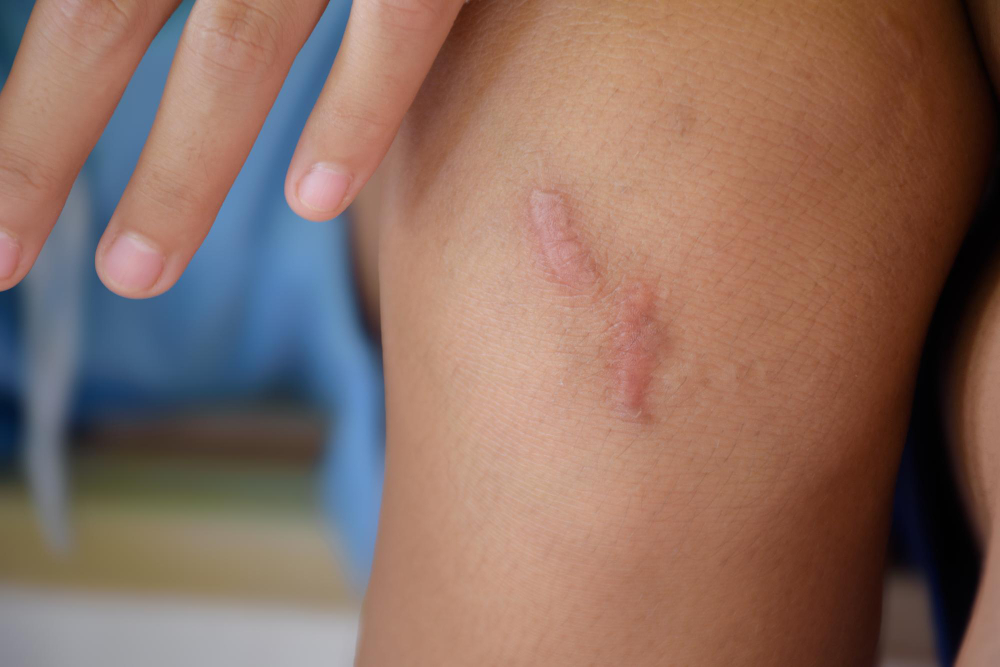
Scarring is a natural part of the skin’s healing process following any injury — whether from surgery, acne, burns, trauma, or inflammation. When the dermis (the deeper layer of skin) is disrupted, the body produces collagen to repair the damage. The quality and organization of that collagen determines the final appearance of the scar. Several distinct types of abnormal scarring exist:
- Hypertrophic Scars: Raised, red, firm scars that remain within the boundaries of the original wound. Typically develop after deep wounds, burns, or surgical incisions and may improve partially over 1 to 2 years without treatment — but respond well to early intervention with corticosteroid injections and silicone therapy.
- Keloids: Raised, often firm or rubbery growths that extend significantly beyond the boundaries of the original wound — sometimes growing much larger than the initial injury. Keloids do not regress on their own, can be itchy or painful, and frequently recur after treatment. They are more common in individuals with darker skin tones and have a strong genetic component. Common sites include the chest, shoulders, upper back, earlobes, and jaw line.
- Atrophic Scars: Depressed, “sunken” scars that occur when the skin loses collagen during healing. The most common example is ice-pick, boxcar, and rolling acne scars — treated most effectively with resurfacing and collagen-stimulating procedures.
- Post-Inflammatory Hyperpigmentation (PIH): Flat, dark discoloration left after acne, eczema, or other inflammatory conditions. Not a true scar but a pigmentation change. See our acne page, eczema page, and laser treatment page for more on managing PIH.
- Contracture Scars: Tightened scars that restrict movement — typically following burns — which may require more specialized surgical management including collaboration with our plastic surgery colleague Dr. Duncan MacKay.
Scar and Keloid Treatment at Dehesa Dermatology
Treatment is tailored to the type, age, location, and size of the scar. At Dehesa Dermatology, options include:
- Intralesional Corticosteroid Injections: The cornerstone of keloid and hypertrophic scar treatment. Triamcinolone injected directly into the scar tissue reduces inflammation, softens the scar, and flattens its surface. Typically requires a series of injections spaced 4 to 6 weeks apart for optimal results.
- Silicone Gel Sheets and Gel: Applied daily over healing or established scars, silicone therapy is one of the most evidence-supported preventive and treatment measures for hypertrophic and keloid scars.
- Laser Scar Treatment: Pulsed dye laser reduces redness and improves the texture of raised scars, while fractional ablative and non-ablative lasers resurface atrophic scars and stimulate new collagen. See our laser treatment page for details.
- Cryotherapy: Liquid nitrogen applied to keloids before or after steroid injection to enhance treatment response.
- 5-Fluorouracil (5-FU) Injections: Intralesional 5-FU alone or combined with corticosteroids is used for recalcitrant keloids, with evidence supporting reduced recurrence rates.
- Surgical Excision: Considered for large or symptomatic keloids, always combined with adjuvant therapy (steroid injections, silicone, or radiation) to minimize recurrence risk.
- Microneedling: Collagen induction therapy for atrophic acne scars — stimulates natural collagen remodeling to gradually fill depressed scar tissue.
- Chemical Peels: Improve the surface texture and pigmentation of superficial atrophic scars and post-inflammatory marks. Available through our esthetician services.
Frequently Asked Questions About Scars and Keloids
Can scars be completely removed?
Complete elimination of a scar is rarely achievable — the goal of scar treatment is significant improvement in appearance, texture, color, and symptoms rather than total erasure. With the right combination of treatments, most scars can be dramatically improved to the point where they are much less noticeable. Atrophic acne scars typically respond best to laser resurfacing and microneedling; raised scars and keloids respond best to intralesional injections and laser therapy.
What causes keloids to form?
Keloids form as a result of abnormal wound healing in which the body continues to produce collagen far beyond what is needed to repair the original wound. The exact mechanism is not fully understood, but genetics plays a major role — keloids run strongly in families and are significantly more common in individuals of African, Hispanic, and Asian descent. Common triggers include ear piercing, surgery, acne, and any skin trauma, particularly in high-risk anatomical areas such as the chest, shoulders, and jaw line.
Will a keloid come back after treatment?
Keloids have a high recurrence rate — particularly after surgical excision alone, which has recurrence rates exceeding 50% without adjuvant therapy. At Dehesa Dermatology, we always combine surgical treatment with preventive strategies such as intralesional corticosteroid injections and silicone therapy to minimize recurrence risk. Patients with a known keloid history are counseled about avoiding unnecessary skin procedures in high-risk areas.
How many steroid injections does a keloid need?
Intralesional corticosteroid injections for keloids are typically given in a series — usually every 4 to 6 weeks — for a total of 3 to 6 injections or more depending on the scar’s response. Flattening and softening are the primary goals, with noticeable improvement typically seen after the first 2 to 3 sessions. Maintenance injections may be needed periodically to prevent recurrence.
What can I do to prevent bad scarring after surgery or injury?
Early intervention is the most effective approach to preventing hypertrophic and keloid scars. Starting silicone gel sheet therapy as soon as a wound is fully closed, protecting healing skin from sun exposure (which can permanently darken scars), keeping wounds moist during healing, and avoiding tension across healing incisions all reduce abnormal scar risk. If you have a personal or family history of keloids, discuss scar prevention strategies with Dr. Dehesa before any planned procedure.
Are there treatments for acne scars at Dehesa Dermatology?
Yes. We offer comprehensive acne scar management including laser resurfacing, microneedling, chemical peels, and dermal filler for depressed scars. Treatment is customized based on your scar type, skin tone, and goals. For complete details, see our acne treatment page and our skin rejuvenation page.
Does Dehesa Dermatology treat keloids for patients from Fresno?
Yes. We provide comprehensive scar and keloid management for patients from Fresno, Clovis, and throughout the Central Valley. Our office is at 978 N Temperance Ave in Clovis, just minutes from Fresno via Highway 168. Call (559) 951-9000 to schedule your scar treatment consultation.